Where To Start
The following is a high-level overview of where to begin when considering van life, car life, or even, to some extent, camping life.
Each person will have unique requirements and a different starting point. Some might begin with a Toyota Prius, while others may start with a Mercedes Sprinter. This list is designed to provide a broad perspective rather than a detailed breakdown. The specifics will depend on your individual situation. I plan to expand on this list over time, covering various vehicle sizes and setups.
Transitioning From Your Old Life
Downsize belongings: Sell off things you no longer need for extra money.
Income Support
- Emergency fund: Have a financial cushion for unexpected repairs or emergencies.
- Savings: Even if you have regular income, extra savings provide security.
- Consistent income: Consider remote work, freelancing, gig economy, self-employment, or passive income sources to sustain your lifestyle.
Consider a storage unit: If paying for a unit is not an option, ask a trusted person for a little space in exchange for something you can do or give them.
Planning Your New Life
Choosing a vehicle: Your choice will impact your comfort, storage, fuel costs, and stealth ability. Consider renting different types of vehicles of interest.
Have practice runs: Use your driveway, neighborhood, campgrounds, and other possibilities close to home. That way if anything goes wrong, you will not be too far away.
Setting goals: Define why you’re choosing this lifestyle—travel, financial freedom, minimalism, nature immersion, etc. Your goals will guide your setup and daily habits.
Mail: United States Postal General Delivery (holds for 30 days), PO Box, mail service, or friends/relatives.
Basic Needs
Staying Connected
- Internet access: Research mobile data plans or satellite internet options.
- Have at least two communication methods: Mobile phone as your primary and consider satellite device like a Garmin InReach Mini for emergencies in remote areas.
Setup and Camping Environment
- Sleeping. Your bed is the first and most important thing to establish. A comfortable sleep setup is vital for long-term success. Everything else in your vehicle will be built around it.
- City camping: A stealthy setup is essential. Everything should be easily accessible inside, with minimal outward signs of living in your vehicle. Consider having at minimum 5 gallons of water and refill as needed.
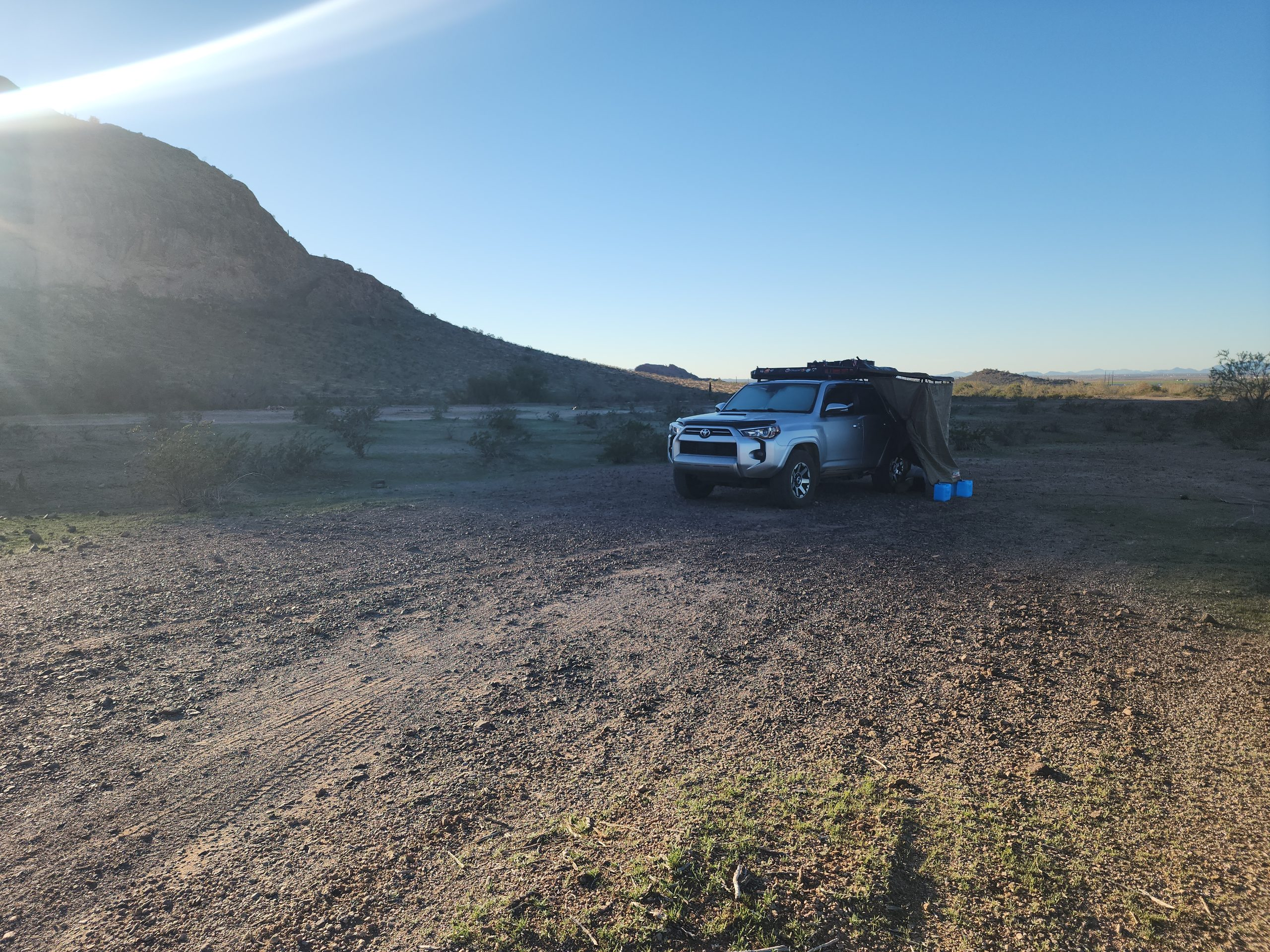
- Nature camping: You may have more flexibility. Consider an outdoor kitchen and additional space, such as a tent, tarp, or gazebo for an extended living area. Make sure you have 2 gallons of water per day for drinking, cooking, cleaning, and other needs.
Cooking
Decide which cooking method(s) suit your setup and lifestyle:
- Electric (requires a power source)
- Butane or propane stove (portable and efficient)
- Solar oven (great for off-grid cooking)
- Campfire (when permitted).
Equipment & Storage Considerations
Avoid plastic drawers for storage. They tend to break easily, warp over time, and don’t hold up well under the weight of cooking supplies or constant vehicle movement.
Use durable storage solutions like wood, metal, or heavy-duty plastic bins.
Have a backup cooking method in case of fire bans, fuel shortages, or equipment failure.
Power Usage
- Estimate your power needs and add extra capacity to avoid shortages.
- Avoid draining your car battery for electrical needs, as this can cause long-term vehicle issues.
- Don’t rely on public outlets —they aren’t always available or reliable.
- Consider investing in solar panels for off-grid independence.
- Choose a power system: Inverter (converts DC to AC power), solar generator (portable battery with built-in solar charging) , power banks (for charging small devices)
Hygiene Considerations
- Shower setup: Options range from camping showers, gym memberships, and truck stops.
- Water usage: Electric-powered showers consume more water—plan accordingly.
Cleaning routine:
- Regularly check for pests, mold, and rust to stay healthy and prevent long-term damage.
- Keep your living space tidy to maintain comfort and mental well-being.
Camping and Parking Planning
- Routinely check the weather.
- Verify parking and camping rules before arrival to avoid fines or conflicts.
- Have a backup plan in case a location doesn’t work out.
Time Management
- Develop a routine to make daily tasks easier.
- Allow extra time for essentials like cooking, cleaning, and setting up camp.
- Stay mentally active by engaging in hobbies, reading, or learning new skills.
- Stay physically active through walking, hiking, stretching, or exercising.
- Schedule social time to maintain relationships and avoid loneliness.
Living on the road is an exciting and freeing experience, but it requires planning and adaptability. The more prepared you are, the smoother your transition will be. Research thoroughly, test different setups, and stay flexible as you refine your system over time.
Fueled by coffee, road miles, and Roy’s questionable assistance. Enjoyed the read? Help keep it rolling. Buy Me a Coffee →