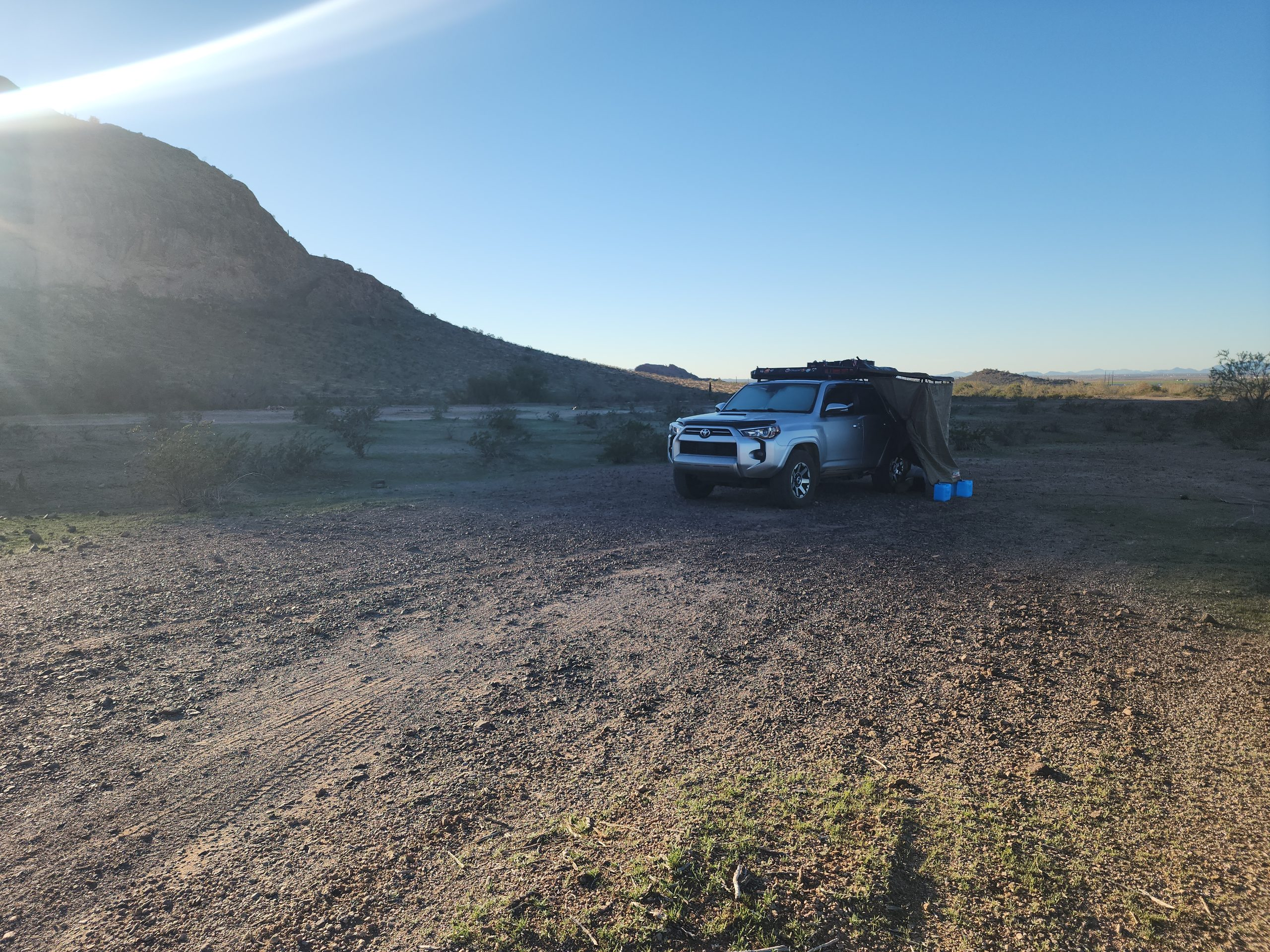
I had already visited Sunset Crater Volcano National Monument once, but this landscape deserved another look. During this trip, I was boondocking near Flagstaff and exploring the surrounding area. Sunset Crater fit easily into the route, giving me a day among pine trees, black lava fields, and volcanic formations that look far removed from the Arizona most people picture.

Returning also gave me a chance to notice something I had missed before: parts of this northern Arizona landscape reminded me of Hawaiʻi.
Returning to Sunset Crater Volcano
A return visit does not always need a new attraction or trail to justify it. Landscapes change with the light, weather, season, and what you have experienced since the last time you stood there.
My travels had taken me to the Big Island of Hawaiʻi between my visits to Sunset Crater. After walking across volcanic terrain there, the rough formations around Sunset Crater felt more familiar.
Black lava cuts through the ponderosa pine forest, while plants push through places that still look too harsh to support much life. That contrast makes the monument worth seeing more than once.
Starting at the Visitor Center

I began at the Sunset Crater Volcano Visitor Center. Inside, the exhibits explain how the eruption formed the crater and how different kinds of volcanic rock developed.
Learning about the rocks before walking among them gave the landscape more context. Instead of seeing one large field of black stone, I could begin noticing differences in shape, texture, and how the lava cooled.
I also added another stamp to my Passport to Your National Parks. It is a small ritual, but those stamps have become a record of where the road has taken me.
Arizona Lava That Reminded Me of Hawaiʻi
The rough ʻaʻā lava caught my attention because I had seen the same type of lava on Hawaiʻi’s Big Island. Its broken, jagged surface looks completely different from the smoother, folded appearance people often associate with flowing lava.

Finding ʻaʻā lava in northern Arizona created an unexpected connection between two places that otherwise feel worlds apart. One sits among tropical island landscapes, while the other cuts through a high-elevation ponderosa pine forest.
The setting changes, but the volcanic process leaves behind recognizable textures.
Sunset Crater erupted roughly 1,000 years ago and remains the youngest cinder cone in northern Arizona’s San Francisco Volcanic Field. Lava and ash changed the surrounding land as well as the lives of the Indigenous communities already living in the region. Today, three trails provide access to the Bonito Lava Flow, although visitors cannot climb Sunset Crater itself because the summit remains closed to protect it from further erosion. National Park Service
Stepping Onto the Lava Flow Trail

A small bridge marked the transition from the parking area into the volcanic landscape. From there, the trail carried me between pine trees and dark lava formations.
The hikes I chose were easy and allowed plenty of time to stop, look at the rocks, and take photographs. You do not need to plan a difficult backcountry hike to experience the monument.
Elevation can change how an otherwise easy walk feels, though. The visitor center sits at approximately 6,960 feet, which may leave someone from a lower elevation breathing harder than expected. National Park Service weather guidance
Taking a slower pace gave me more time to study the terrain anyway.
Easy Trails Can Still Feel Harder at Elevation

The trails let visitors move through the lava fields without committing to a long or technical hike. Some paved sections also make portions of the monument more approachable for wheelchairs, walkers, and strollers.
The National Park Service identifies Bonito Vista Trail and the upper portion of Lava Flow Trail as accessible. The more rugged sections still contain uneven volcanic terrain, so sturdy shoes remain a good choice even when the mileage looks easy. National Park Service accessibility information
Someone accustomed to Arizona’s lower deserts may notice the altitude before noticing the distance. A comfortable pace, water, and a few pauses can make the experience much more enjoyable.
Looking Closely at the Volcanic Features

The formations become more interesting when you slow down and look beyond the broad field of black rock. Splatter cones formed when pieces of hot lava landed around an opening and fused together. Even after the lava cooled, those shapes preserved part of the eruption’s movement.
That detail helped me imagine this quiet forest as an active volcanic landscape. The eruption did not simply build a cone in the distance; it changed the ground across the surrounding area.
What to Know Before Visiting Sunset Crater
Much of the monument feels exposed once you leave the shade of the taller trees. A hat and sunscreen belong in your day pack even when Flagstaff feels cooler than the lower Arizona desert.
Check the temperature and weather before leaving camp. At nearly 7,000 feet, conditions can shift quickly, and nights remain cool or cold throughout the year. Summer also brings monsoon storms to northern Arizona. National Park Service
I had mobile service during my visit, but I would not make that the only part of a trip plan. Coverage can vary by carrier and by location within the monument.
Bring water, wear shoes suitable for sharp and uneven rock, and give yourself time to adjust if you recently arrived from a lower elevation.
Pairing Sunset Crater With Wupatki
The road continues from Sunset Crater toward Wupatki National Monument, about 20 miles away. Although the two places connect geographically and historically, each deserves room for its own story.
Wupatki shows what happened beyond the lava fields as communities responded to the eruption and rebuilt their lives across the altered landscape. I recommend visiting both, but trying to squeeze their history into one article would flatten two very different experiences.
I will give Wupatki its own article.
Worth Seeing More Than Once
Sunset Crater Volcano National Monument works well as a day trip from a Flagstaff campsite or boondocking location. Its short trails make the volcanic landscape approachable, while the visitor center adds enough context to understand what you are walking through.
My second visit felt different because I returned with memories of Hawaiʻi’s Big Island. Recognizing ʻaʻā lava in Arizona turned a familiar stop into a connection between two volcanic landscapes.
That is one reason I revisit places. The ground may stay the same, but I rarely return as the same traveler.
Explore More Travel Stories
The road holds plenty of strange museums, unexpected attractions, and places that deserve more than a quick photo through the windshield.
Fueled by coffee, road miles, and Roy’s questionable assistance. Enjoyed the read? Help keep it rolling. Buy Me a Coffee →