Car camping can mean different things depending on who you ask. In traditional camping circles, it often means driving directly to a campsite and pitching a tent near your vehicle instead of carrying everything into the backcountry. In other spaces, including 4Runner Nomad, it usually means sleeping inside the vehicle itself.

Both definitions are valid. I have camped and traveled in an RV, toy hauler, box truck, van and smaller vehicles, so I have experienced several versions of life on the road.
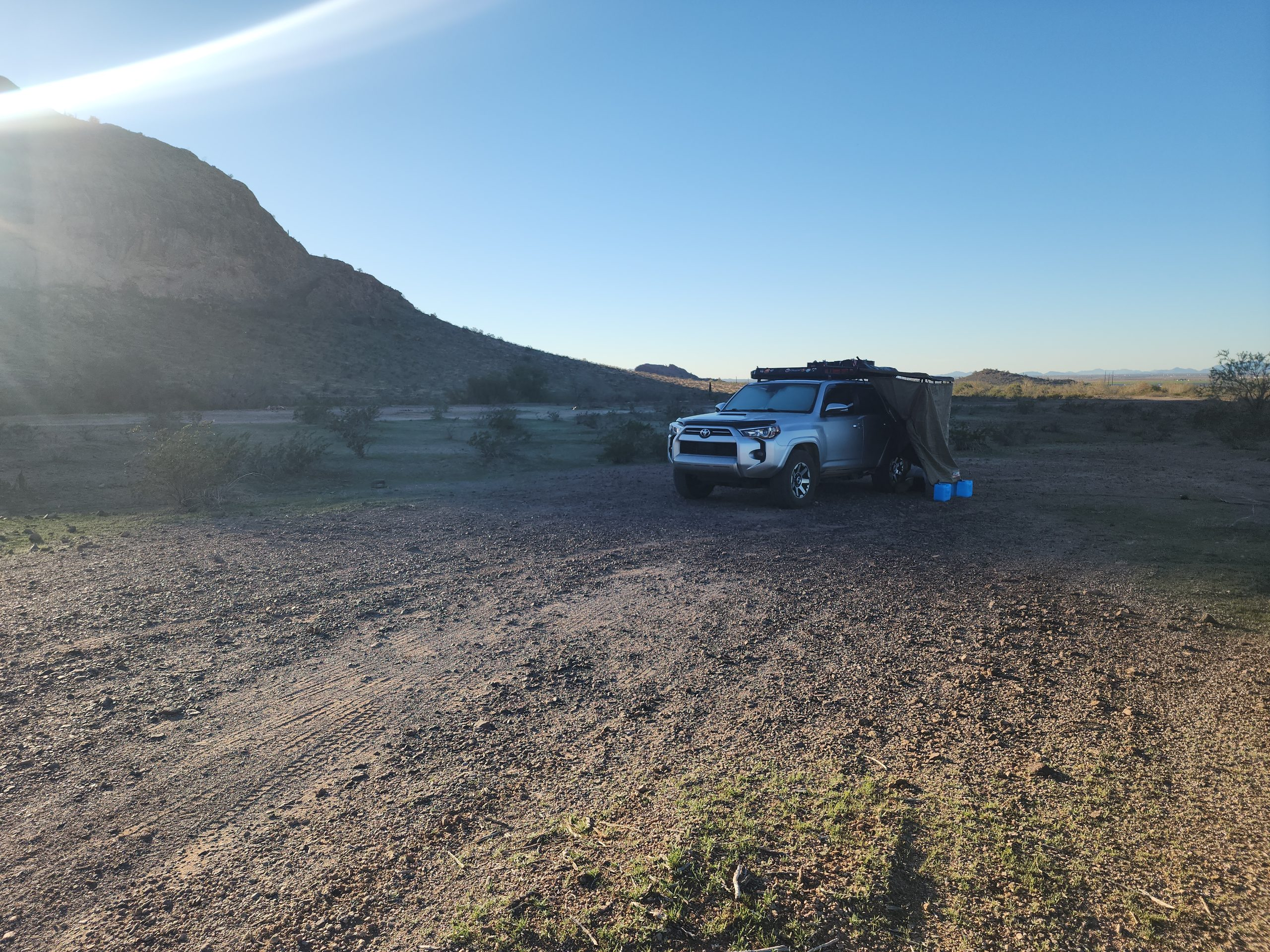
These days, I travel and sleep inside a Toyota 4Runner. That is the form of car camping this article focuses on: using the vehicle itself as your sleeping space rather than pitching a tent beside it.
I have been car camping for nearly a decade, including more than three years of living and traveling full-time from a Toyota 4Runner. During that time, my layout and gear have changed repeatedly. The basic requirements have not. You need a safe place to sleep, enough room to function and a setup that does not create more work than the trip is worth.
What Does Car Camping Look Like?

There is no single car camping setup. One person may fold down the back seats of a sedan for a weekend at a campground. Another may build a sleeping platform in an SUV and travel for several months. Someone else may carry a tent in the vehicle, sleep outside at camp and use the car for food, water and gear storage.
Car camping can be recreational, a way to reduce hotel expenses during a road trip or a full-time lifestyle. It can happen at an established campground, on public land where dispersed camping is allowed or in another location where overnight vehicle use is legal and permitted.
That range is part of what makes the term confusing. Car camping describes how you travel and sleep, but it does not automatically describe where you stay, how much gear you own or how long you remain on the road.
Do You Need a Special Vehicle?
You do not need a van, RV or expensive vehicle build to begin. People car camp in compact cars, hatchbacks, station wagons, SUVs, minivans and trucks. The right vehicle is the one you already own if you can create a safe sleeping space inside it and carry what you need without blocking your ability to drive.
Before buying equipment or making permanent changes, fold the seats down and measure the available space. Check whether the sleeping surface is level, whether you can stretch out and whether your gear will still have somewhere to go at night. A setup that looks spacious while empty can feel very different once it contains water, food, clothing and camping supplies.
If possible, spend one night in the vehicle at home or at a campground close to home. That first test will tell you more than weeks of looking at elaborate builds online.
What Do You Need for Your First Car Camping Trip?
Your first trip does not require a complete off-grid system. Start with the few things that protect your sleep, safety and basic comfort.
You will need a sleeping surface with enough insulation underneath you, bedding appropriate for the expected temperature, window coverings for privacy and a safe way to ventilate the vehicle. Bring drinking water, food you can manage with your current cooking setup, basic hygiene supplies, a light, weather-appropriate clothing and a plan for using the bathroom.
Keep your keys, shoes, phone and any emergency items where you can reach them without reorganizing the vehicle. Nothing should interfere with the pedals, controls, mirrors or driver’s seat if you need to leave.
The goal of the first night is not to prove that you can handle every possible condition. It is to learn whether you can sleep in the vehicle and still function the next morning.
Ventilation and Temperature Matter
A parked vehicle can become dangerously hot or cold. It should not be treated like a climate-controlled room simply because the doors are closed. Never sleep in a vehicle with the engine running, and never use a burning candle inside a vehicle.
Ventilation also helps manage condensation created by breathing during the night. Many car campers crack more than one window to allow air to move through the vehicle and use fitted screens to help keep insects out. The exact arrangement depends on the vehicle, weather and location, but ventilation needs to be considered before bedtime rather than after the windows are already wet.
Check the full overnight forecast, including wind, storms and the expected low temperature. If the conditions exceed your gear or experience, change the plan. A campground, motel or return trip home is not a failed car camping trip. It is a useful decision.
Where Can You Legally Sleep in Your Car?
Owning a vehicle does not give you permission to sleep anywhere it can be parked. Rules vary between public lands, campgrounds, businesses, rest areas, cities and states. A location may allow parking but prohibit camping or overnight occupancy.
Established campgrounds are often the simplest place for a first trip because the rules, boundaries and available facilities are easier to understand. Dispersed camping on public land can offer more space and fewer services, but it requires additional research. You need to know which agency manages the land, whether camping is allowed, how long you may stay, current fire restrictions and whether your vehicle can safely handle the access road.
For parking lots or private property, look for posted restrictions and get permission when required. Do not rely only on an app review written months or years ago. Rules, ownership and local enforcement can change.
A Workable Layout Matters More Than a Fancy Build
The sleeping platform usually gets the attention, but daily access determines whether a car camping setup is practical. Water, food, clothing, cooking equipment and hygiene supplies need consistent places. Items used throughout the day should not be buried under the bed.
Pay attention to how many times you move the same object. If a bin has to be lifted out of the vehicle every night and returned every morning, that may be manageable for a weekend. It becomes a different problem when you are moving regularly or living from the vehicle full-time.
A good layout is not the one with the most equipment. It is the one that lets you reach what you need, prepare for sleep and return to driving mode without turning every transition into a full rebuild.
Car Camping Is Different From Van Life and RV Travel
The boundaries overlap, but the operating space is different. A van or RV may have a fixed bed, standing room, built-in water, a toilet and separate storage. A car camper often uses the same few feet for sleeping, storage, transportation and shelter.
That creates tradeoffs. A smaller vehicle is easier to drive, park and use for ordinary errands, but every item has to earn its space. Weather can have a greater effect because there may be no indoor area for cooking, working or sitting upright comfortably. Daily routines depend heavily on organization and access.
Car camping is not a lesser version of van life. It is its own form of travel, with different advantages and limitations.
Weekend Car Camping and Full-Time Car Living Are Not the Same
A weekend setup only has to work for a few nights. You can bring exactly enough food and water, tolerate an awkward storage choice and return home to handle laundry, repairs or a dead battery.
Full-time car living requires systems that can be repeated. Water needs to be resupplied. Food has to survive changing temperatures. Laundry, mail, connectivity, power, vehicle maintenance and severe weather all become part of normal life. The setup also has to shift between travel days and longer stays without leaving the vehicle unusable.
You do not need to solve those full-time problems before taking your first trip. It helps, however, to understand why a setup designed for a weekend may not scale into a lifestyle without changes.
Start Close to Home
The easiest way to begin is usually one safe night close to home. Choose a legal location, check the weather and bring the equipment you already have. Set up the bed before dark, notice which items are difficult to reach and write down what you actually missed.
That trip may show you that you need a thicker sleeping pad, better ventilation or less gear. It may also show you that several items you assumed were essential never left their bins.
Car camping does not begin when the vehicle looks finished. It begins when you use the space, identify the problems and make the next version work better.
You do not need years of planning, a costly conversion or a dramatic change in your life to find out whether car camping works for you. One night and a safe place to park are enough to start learning.
Start With the Basic Car Camping Gear
If you are still figuring out what you need, I have organized the basic car camping items I personally use in my Amazon shop. The Begin With the Basics list is designed as a practical starting point without requiring a complicated build or complete off-grid setup.
As an Amazon Associate, I earn from qualifying purchases at no additional cost to you.
Fueled by coffee, road miles, and Roy’s questionable assistance. Enjoyed the read? Help keep it rolling. Buy Me a Coffee →