Freelance work while traveling can be flexible because you are selling a skill rather than applying for one specific job. That skill might be writing, editing, design, bookkeeping, photography, marketing, website work, research, customer service, programming, administrative support, or something more specialized.

I have done freelance work in different forms over the years. One of the things I like about it is that the work can change without forcing me to start over every time. The skill carries forward.
If I know how to build a website, write copy, troubleshoot a problem, organize a project, or help someone market a business, I can use that knowledge for clients in different industries. I am not limited to one employer or one type of company.
That flexibility is useful when traveling, but it also means I am responsible for finding the work.
Freelancing Is Flexible, but It Is Still Work
There may not be a manager handing you a list every morning. You need clients, projects, deadlines, and a reliable way to keep track of everything.
For some people, that independence is exactly what they want. For others, the uncertainty can be stressful.
One of the biggest misconceptions about freelancing is that it automatically means easy money from a laptop. The work itself is only part of the job. You also have to find clients, build trust, communicate clearly, meet deadlines, send invoices, manage taxes, pay for equipment and software, and prepare for slower months.
The flexibility comes with more responsibility, especially when no employer is handling the business side for you.
Where to Find Freelance Work
Freelance marketplaces can be a place to begin. Fiverr is one of the names people often recognize, but there are also platforms such as Upwork, Contra, Freelancer.com, PeoplePerHour, and Guru.
Each platform works differently. The fees, competition, project types, and ways of communicating with clients can vary, so I would not assume you need to create an account on every one of them.
I would rather spend time learning one or two platforms and see whether the work being posted fits the skills I actually offer. A platform filled with projects that do not match my experience will not become useful just because it is popular.
Freelance Marketplaces Are Not the Only Option
Some of my better opportunities over the years have come through people I already knew, former clients, referrals, business owners I met, or someone remembering that I could solve a particular problem.
That is why it helps to be specific when telling people what you do. “I freelance” does not explain very much. “I build websites for small businesses” or “I write newsletters and website copy” gives someone a reason to remember you when that need comes up.
You can also approach businesses directly.
A small business with an outdated website may need help improving it. A busy owner may need newsletters written, social media managed, documents edited, or products added to an online store. Another business may have inaccurate listings, unanswered reviews, or administrative work that keeps getting pushed aside.
You do not always have to wait for someone to advertise a job. Sometimes the opportunity begins by noticing a problem and offering a service that can solve it.
Making Freelance Work Fit Travel
The biggest advantage for me is being able to shape freelance work around where I am and what I am doing.
When I know I will be stationary for a while, I can take on more involved projects or a heavier workload. When I expect to move frequently, I can keep the schedule lighter and avoid placing major deadlines on travel days.
That has always made more sense to me than trying to force travel around a traditional office schedule. The work still has to get done, but I have more control over when I do it and how much I take on at one time.
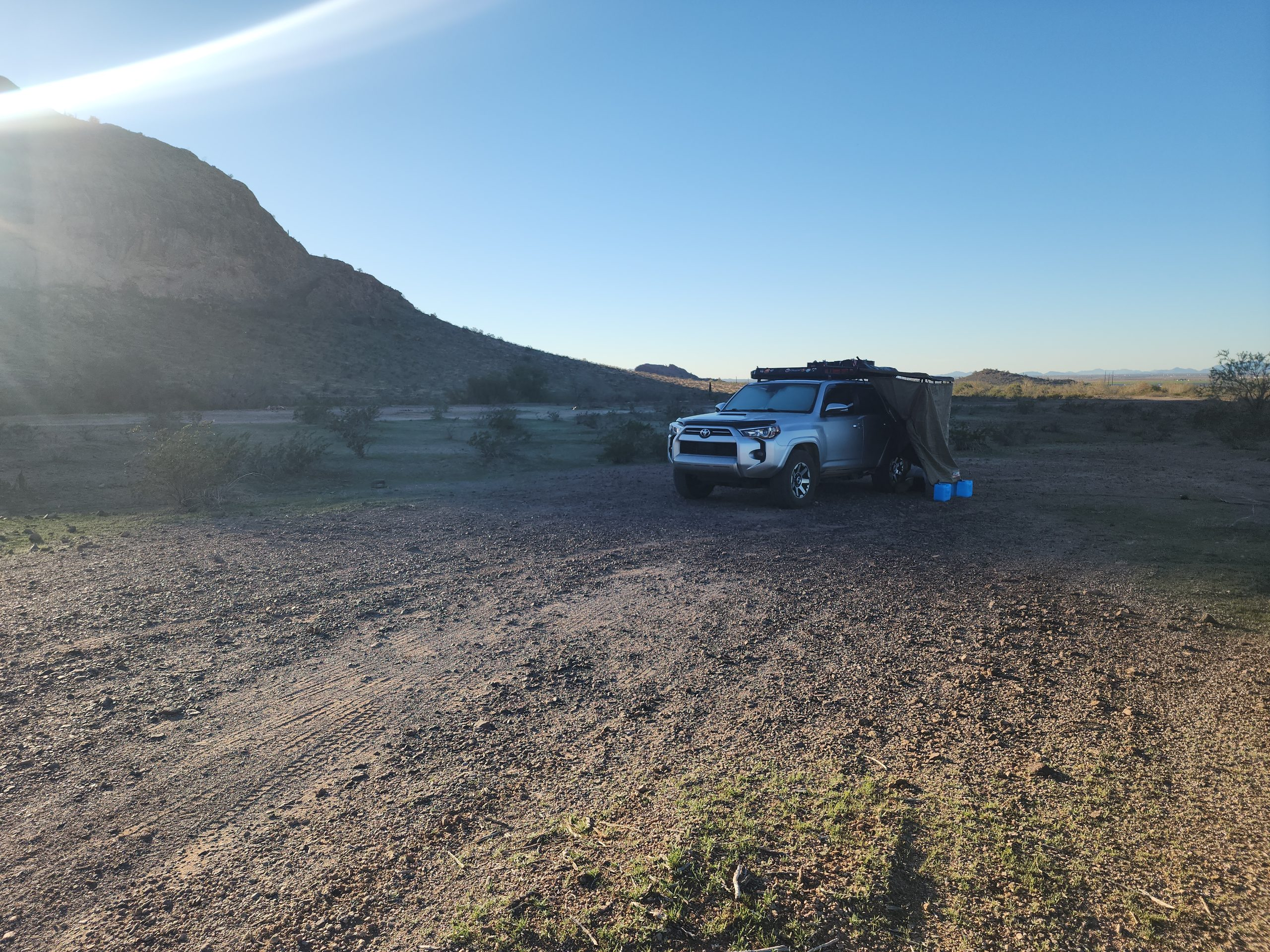
That control matters when living and working from a Toyota 4Runner. A travel day already includes breaking camp, driving, finding the next place, setting up what I need, and dealing with whatever changes along the way. Adding a tight client deadline to that day can turn flexibility into unnecessary pressure.
Connectivity Is Part of the Job
Internet access has to be included in my planning. I have Starlink, which gives me more working options than I had years ago, but I still cannot assume every campsite will work. Starlink requires power and a usable view of the sky. Trees, terrain, weather, and my available battery capacity can all affect when and how long I use it.
Cellular service gives me another option, but it is not available everywhere either. If I have an important deadline, a scheduled meeting, or files that need to be uploaded, I consider connectivity before choosing where to camp.
Sometimes that means selecting a campsite with a better view of the sky. It may mean staying closer to cellular service or identifying a library or another backup work location before I arrive.
That is part of freelance work from the road that rarely appears in travel photos. The scenery may be good, but the location still has to support the work I agreed to deliver.
Freelance Work Can Start Small
Freelancing does not have to begin with ten clients or a plan to replace your entire income.
One project may be enough to find out whether you like doing the work for someone else. A person with a full-time job might begin with one small client. Someone who travels seasonally may only accept freelance projects during certain parts of the year. Another person may gradually build enough repeat work and referrals to make it a primary source of income.
There is a lot of room between doing nothing and trying to build a full freelance business overnight. Starting with one defined service and one manageable project can teach you what clients expect, how long the work takes, and whether the pay is worth the effort.
Look Beyond Your Job Title
People often overlook skills they already use in regular jobs.
If you have spent years handling payroll, scheduling employees, working in customer service, writing reports, managing projects, editing documents, creating presentations, using spreadsheets, or keeping a business organized, there may be a freelance version of that work.
You do not always need to reinvent yourself or learn an entirely new field. Sometimes you need to separate the useful skill from the job title you have always attached to it.
That is usually where I start. I look at what I can do well, who might need it, and whether I can solve that problem without being physically tied to one location.
If those pieces fit together, there may be freelance work there.
Want to Explore More Ways to Earn While Traveling?
Inside the 4Runner Nomad Academy, I share downloadable Work & Income resources covering remote work, temporary jobs, service-based income, and ways to earn from skills you may already have.
The resources go deeper into the available options and what to consider when deciding which ones could fit the way you want to work and travel.
Fueled by coffee, road miles, and Roy’s questionable assistance. Enjoyed the read? Help keep it rolling. Buy Me a Coffee →