Digital marketing has been part of my work since the early 2000s, long before anyone commonly described working from a laptop while traveling as the digital nomad lifestyle.

The internet looked very different when I started. Websites were simpler, social media had not taken over, and many of today’s marketing jobs did not exist yet. Since then, search engines, email platforms, advertising tools, and social networks have changed how businesses reach people.
One thing has remained surprisingly consistent: businesses still need customers to find them.
That need sits at the center of digital marketing.
What Does Digital Marketing Include?
Digital marketing covers a much larger field than posting on social media. It can include website management, email campaigns, search engine optimization, online advertising, content creation, analytics, sales funnels, community management, and customer communication.
Few people handle every part of that list equally well. One person may specialize in writing email campaigns, while another builds websites or manages advertising. Someone else may help a business organize its content and understand why its current marketing efforts fail to produce results.
I have worked across several of these areas over the years. That experience has also shown me how quickly a popular platform or tool can lose its usefulness.
Marketing Skills Matter More Than One Platform
I do not like building an entire business around one platform. Facebook can change its reach without warning. Google can update its search results, and an email provider can raise its prices or remove a feature. Even a social network that once seemed permanent can disappear.
After watching those changes for more than 20 years, I care more about understanding why a marketing strategy works than becoming attached to one tool.
A platform only provides the delivery system. The real work involves understanding the audience, identifying the problem, creating a useful message, and giving people a clear next step.
Those skills can transfer when the technology changes.
Digital Marketing Creates Different Types of Remote Work
Businesses need marketing help at many different levels, which creates several ways to work remotely.
A small local business might need someone to update its website, write a monthly newsletter, or manage its Facebook page. Another company may need articles, customer communication, email campaigns, content organization, or help identifying why its online marketing does not bring in enough sales.
Some businesses hire people for ongoing support. Others need help with one project, such as building a landing page, setting up an email sequence, or rewriting a website.
That variety works well with the way I live. My work has never needed to look exactly the same from one month to the next.
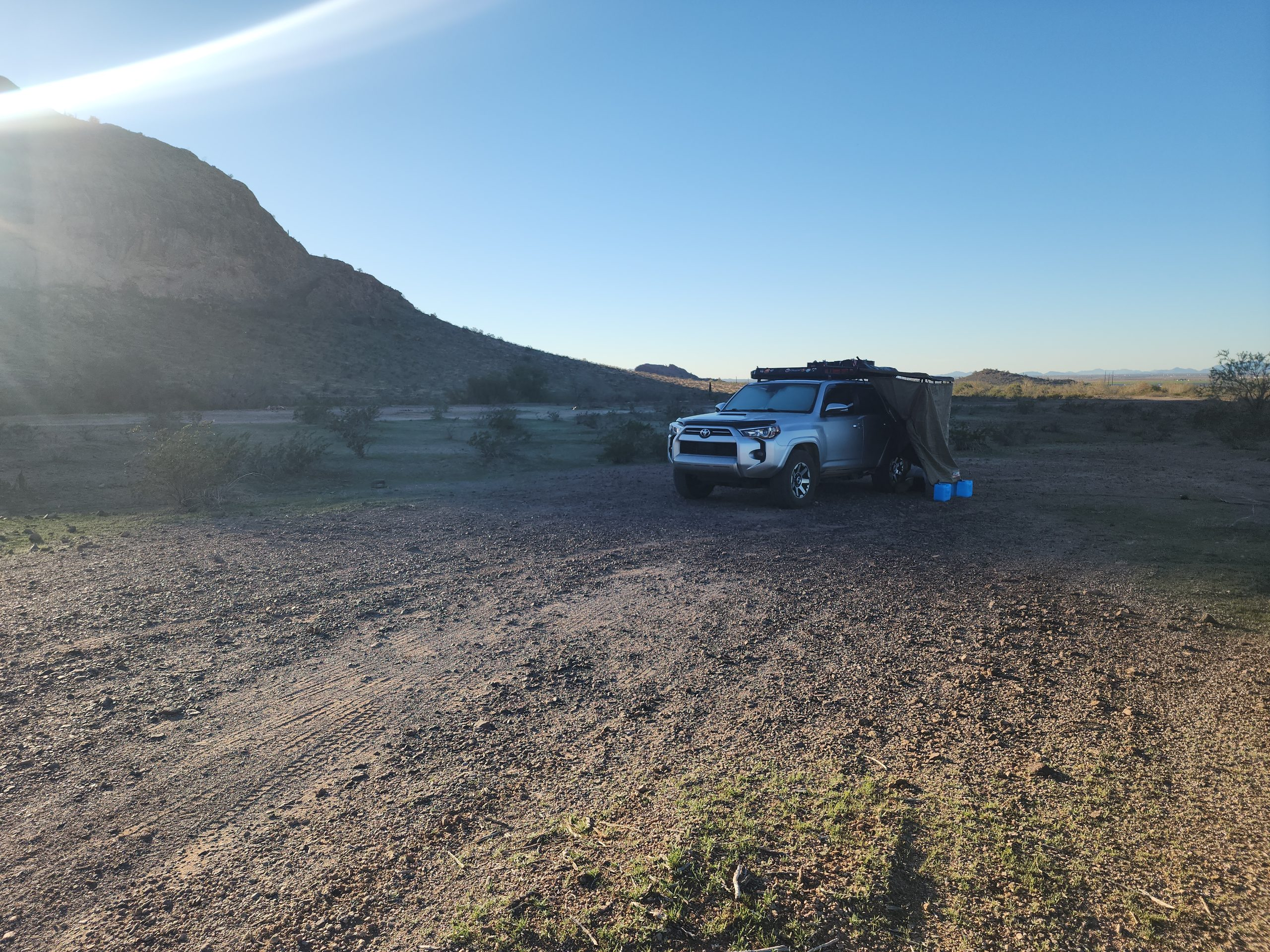
Over the years, I have worked from forests, campgrounds, temporary houses, parking areas, and plenty of places that looked nothing like a traditional office.
Remote Work Still Requires the Right Setup
A portable laptop does not make every campsite a practical place to work.
When I have an important deadline, I need reliable internet, enough power, and uninterrupted time to concentrate. Starlink gives me more location options, but it also adds another layer to campsite planning.
Before settling in, I need to consider whether I will have a clear view of the sky and enough power to run Starlink without draining the rest of my electrical system. Cellular service can provide another option, but I do not assume that every location will have a usable signal.
Digital marketing allows me to work from the road. It does not eliminate the basic requirements of doing the job well.
Managing Someone Else’s Marketing Comes With Responsibility
People sometimes underestimate the responsibility involved in digital marketing.
Knowing how to create a social media post can help a business, but that skill alone may not prepare someone to manage its entire marketing system. The work can involve the client’s money, reputation, customer relationships, and ability to earn income.
A poorly planned advertisement can waste money. Careless writing can damage trust, while a neglected email list or broken website can cost a business customers.
You do not need to master the entire field before offering a useful service. However, you do need to understand your limits and avoid promising results in areas where you lack experience.
Start With One Skill You Already Know
Many people already have a skill that fits somewhere within digital marketing.
Strong writers may begin with blog articles, website copy, or email newsletters. Someone who knows WordPress could update websites or publish content. Experience with online communities might lead to community management, while photography and video skills can support social media and product marketing.
Spreadsheets, customer service, research, organization, and project management can also support marketing work.
Starting with one solid skill gives you a practical way into the field. From there, you can learn related tools and take on more responsibility as your experience grows.
That approach makes more sense than calling yourself a full-service digital marketer before you understand what the work requires.
You Do Not Need the Title “Digital Marketer”
Digital marketing skills can generate income even when a job or project uses a different title.
The work may appear under freelance services, virtual assistant work, agency positions, contract projects, content management, or small-business support. A business owner may not ask for a digital marketer at all. They may simply need someone who can fix a website, organize an email list, write useful content, or help customers understand what the company offers.
For me, that flexibility has always been one of the strongest reasons to keep digital marketing in my income mix. I can use the same core knowledge across different projects without depending on one employer, client, or platform.
The tools will continue to change. I expect that after watching the industry evolve for more than two decades.
What lasts is the ability to understand what a business wants to accomplish, identify what stands between the business and its customers, and choose the right tools for the job.
Turn Your Digital Skills Into Income
You may already have useful skills from your work, hobbies, or life experience. The Digital Skills to Income Starter Kit will help you identify those skills and begin shaping them into a practical income stream.
Fueled by coffee, road miles, and Roy’s questionable assistance. Enjoyed the read? Help keep it rolling. Buy Me a Coffee →