Texas has a way of making every destination look closer on the map than it feels from behind the wheel. The temptation to stay on the interstate and push through the miles can be strong, especially when you still have hundreds of them ahead.

I prefer routes that give me a reason to slow down. Highway 90 crosses wide stretches of West Texas with fewer crowds, small towns and roadside stops that turn the drive into part of the trip.
One of those stops is Seminole Canyon State Park and Historic Site near Comstock.
More Than a Place to Spend the Night
Seminole Canyon works well as both a travel stop and a destination of its own. You can hike, explore the visitor center, learn about the people who lived in the Lower Pecos region and camp without straying far from Highway 90.
The landscape may look sparse at first, but the canyon holds thousands of years of human history. People relied on this land, its water sources and the nearby Rio Grande long before travelers began crossing West Texas by highway.
Hiking Through the West Texas Landscape
The park has trails for several ability levels, from the short Birding Trail to the more demanding Canyon Rim Trail. Other routes lead toward overlooks above Seminole Canyon, Presa Canyon and the Rio Grande.
Heat and exposure can change the difficulty quickly. Carry plenty of water, watch the weather and avoid judging a desert trail by mileage alone.
Seeing the Rock Art
Seminole Canyon protects some of the ancient pictographs found throughout the Lower Pecos region. These images offer a connection to people who lived, traveled and survived in this rugged landscape thousands of years ago.
Access to protected areas of the canyon requires a guided tour. Tour schedules and availability can change, so check with the park before planning your visit around one.
Stop at the Visitor Center

The visitor center and museum add context to everything you see outside. Exhibits cover the area’s rock art, geology, plants and long human history.
That background makes the trails more meaningful. Instead of seeing an empty desert, you begin noticing the resources, travel corridors and natural features that helped people live here.
Camping at Seminole Canyon

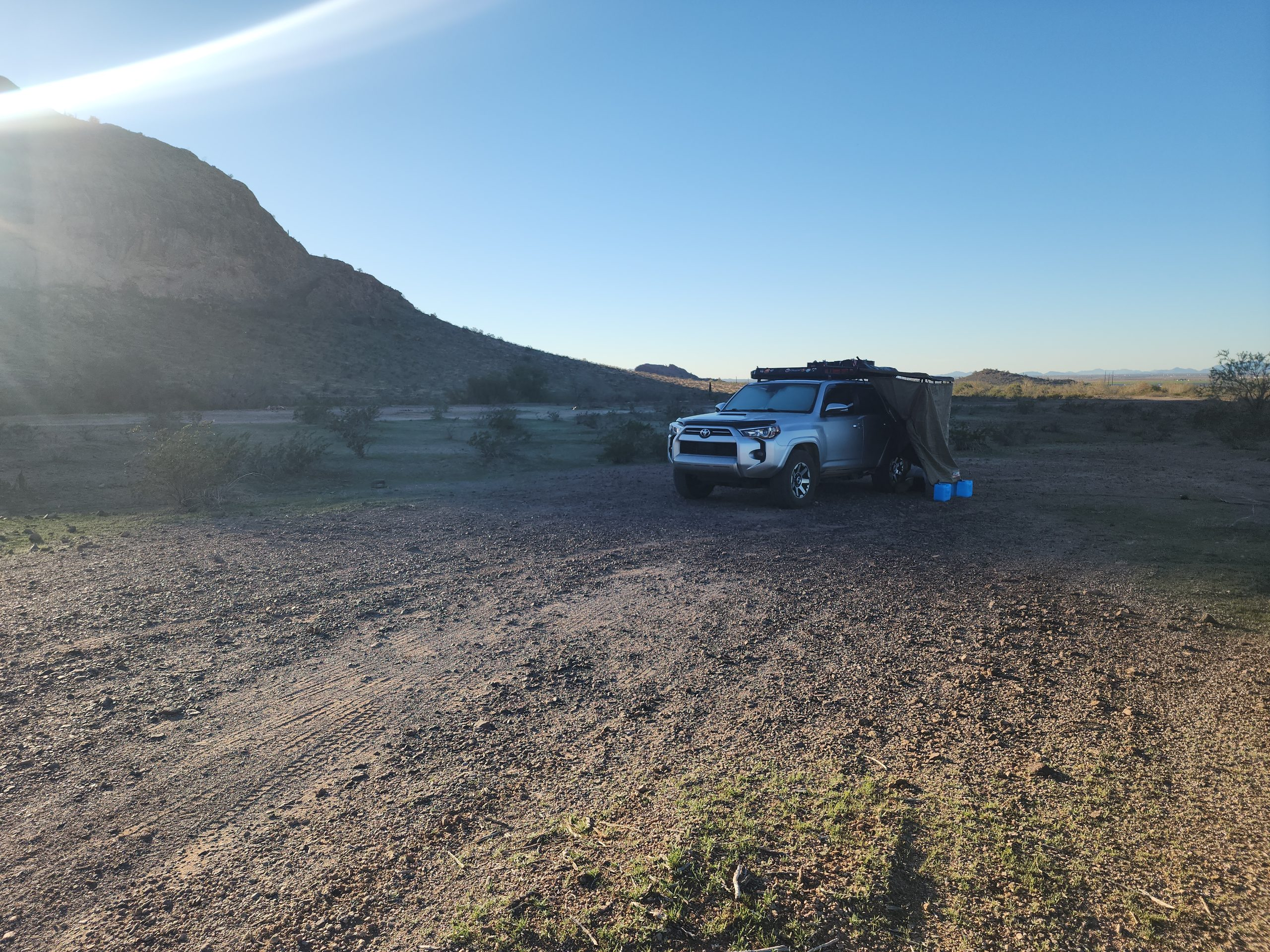
Seminole Canyon has drive-up campsites ranging from primitive sites to sites with water and electricity. Depending on the camping area, amenities may include picnic tables, fire rings, shade shelters and nearby restrooms with showers.
At the time of writing, primitive campsites cost $10 per night, sites with water cost $15 and sites with water and electricity cost $20. The park also charges a daily entrance fee of $4 per person age 13 or older.
Those prices make the park a practical reset point during a longer drive. A campsite can give you a place to sleep while also providing access to showers, water and basic campground infrastructure.
Always check current availability before arriving. The park has ongoing construction closures that affect portions of the campground, and rates can change.
Dogs can visit many areas of Seminole Canyon, but the park has location-specific restrictions designed to protect pets and sensitive cultural resources. Texas State Parks also require pets to remain on a leash no longer than six feet.
Check the current rules before choosing a trail. West Texas heat, sharp terrain and limited shade also deserve consideration when deciding how far your dog should hike.
Traveling With a Dog

Dogs can visit many areas of Seminole Canyon, but the park has location-specific restrictions designed to protect pets and sensitive cultural resources. Texas State Parks also require pets to remain on a leash no longer than six feet.
Check the current rules before choosing a trail. West Texas heat, sharp terrain and limited shade also deserve consideration when deciding how far your dog should hike.
Why Take Highway 90 Across Texas?
Highway 90 offers a different view of Texas than the interstate. The route passes through open country and small communities while connecting travelers with places that often disappear when the only goal is making time.
Seminole Canyon gives you a reason to stop, walk and understand a little more about the land you have been driving through. Even one night can turn a long Texas crossing into a trip you remember.
Find More Stops Along the Road
Planning another drive through Texas or the Southwest? Visit the Travel section for more roadside attractions, historic places, campsites and worthwhile stops that can become part of the route rather than another detour from it.
Fueled by coffee, road miles, and Roy’s questionable assistance. Enjoyed the read? Help keep it rolling. Buy Me a Coffee →